
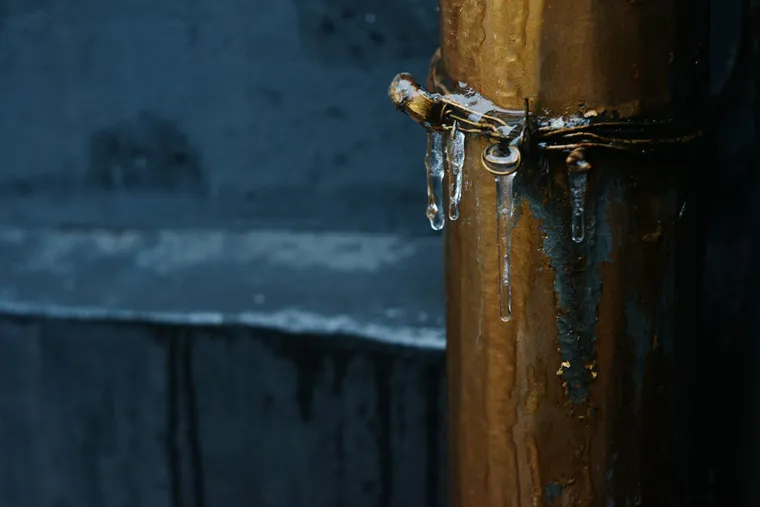
Kansas City winters do not ease in politely. One day it is a crisp 50 and you are feeling smug about your light jacket, and the next a cold front drops the temperature into the single digits overnight while you sleep. Your pipes feel that, and the ones in your basement, crawl space, garage, and along exterior walls feel it first.
Here is the part nobody enjoys learning the hard way. When water freezes inside a pipe it expands, pressure builds fast, and even a strong pipe can crack. You often will not know until it thaws and starts pouring water into a wall or ceiling. Every hard freeze, plumbers across the metro get a wave of these calls, and the repair bill on a burst line can climb fast once you count the water damage on top.
The good news: most of this is preventable in an afternoon
You do not need to be handy to do most of this. You need a few foam pipe sleeves, a tube of caulk, and a willingness to spend one boring afternoon now instead of one catastrophic morning later.
Jeremy's frozen pipe checklist
- Insulate the pipes that are out in the cold. Foam sleeves on any exposed pipes in the basement, crawl space, garage, and utility room. Cheap, easy, and the single best thing you can do. Heat tape for the truly vulnerable runs.
- Seal the drafts sneaking in. Caulk and seal gaps where cold air reaches pipes, especially where pipes pass through exterior walls and around the sill plate.
- Keep the heat steady, day and night. Resist the urge to drop the thermostat way down overnight during a hard freeze. Saving a couple bucks on heat is not worth gambling a wall full of plumbing, because that cold setback chills the wall cavities where your pipes live.
- Open the cabinet doors. On sinks against exterior walls, open the cabinets so your home's warm air can reach the pipes underneath.
- Let it drip. During extreme cold, a slow trickle from your faucets keeps water moving and relieves pressure. Even a small steady trickle keeps circulation going. A little water on the bill beats a flooded floor.
- Disconnect the hoses. Before the first freeze, disconnect and drain outdoor hoses and shut off the supply to exterior faucets.
Which spots in a KC home freeze first
If you only insulate a few runs, start with the ones in unheated or exterior facing spaces. Basements, crawl spaces, garages, and attics top the list, along with any pipe inside an exterior wall and the supply lines under kitchen and bathroom sinks on outside walls. Those are the spots that bite Kansas City homeowners every single cold snap.
When to just call me
If you want the insulating and sealing done right, or you have hard to reach pipes, that is a quick job I am happy to handle before the cold hits. See my exterior and weatherproofing work for the full list. If you already have a burst line, shut off the water and call. Larger repairs may need a licensed plumber, and I will tell you honestly which camp you are in instead of guessing on your dime.
The short version
Insulate, seal, keep the heat steady, drip the faucets in extreme cold, and know where your shutoff is. Do that and you will very likely sail through a Kansas City winter without a single soggy surprise. Skip it and you are rolling dice with a wall full of water. Your call, but you know which one I would pick.